
JSNET2026 Plenary Session
International Invited Speakers
Who Have Driven INNOVATION
At JSNET 2026, there may be some international invited speakers whose names are not yet familiar to mid-career and younger physicians. However, the medical devices and treatment methods they have developed are deeply connected to your daily clinical practice.
Therefore, under the meeting theme of “INNOVATION,” we would like to introduce the international invited speakers who will present in the Plenary Sessions.
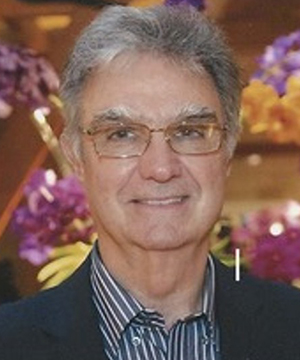
Fernando Viñuela, MD
Prof. Fernando Viñuela is, needless to say, a legend in neuroendovascular therapy.
Based at UCLA, he led the development and clinical introduction of the GDC (Guglielmi Detachable Coil) and made a major contribution to establishing coil embolization for cerebral aneurysms. He also supported the development of the Merci Retriever and helped build stroke care systems in collaboration with neurologists, laying the foundations of today’s neuroendovascular therapy.
His achievements are not limited to the development of medical devices. He created a research environment in which physicians such as Guido Guglielmi, the Italian physician who conceived the GDC, and Y. Pierre Gobin, the French physician who played a leading role in the development of Merci, could fully demonstrate their abilities. One of Prof. Viñuela’s greatest strengths has been creating an environment in which such physicians could thrive and fostering teams that brought ideas into clinical practice in collaboration with industry. At the foundation of this has always been a “Patient First” approach.
He was born in the town of Mercedes, Uruguay, and played semi-professional basketball to earn money for his tuition. He later moved to Canada and was subsequently invited to UCLA.
Prof. Viñuela, who was a mentor to JSNET 2026 President Prof. Yuichi Murayama, will share insights into how to foster an environment in which INNOVATION can emerge through talent development and team building.
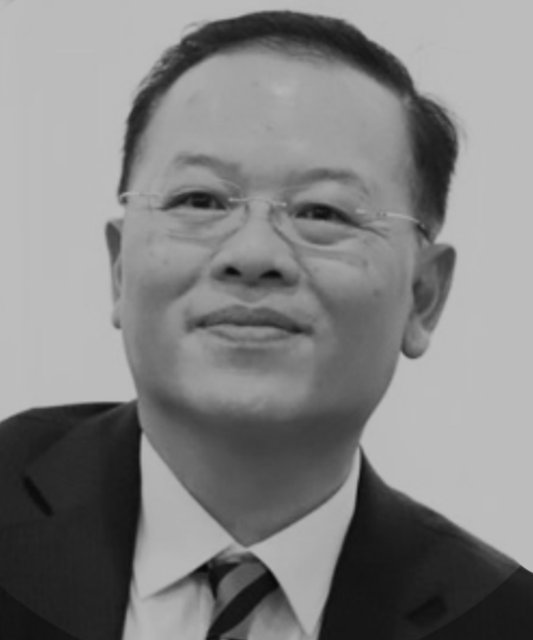
Huy M. Do, MD
Prof. Huy M. Do is a professor at Stanford University specializing in neuroradiology and neuroendovascular therapy, with a concurrent appointment in neurosurgery.
During his training at UCLA, he participated in President Murayama’s research on bioactive coils. After completing a fellowship in neuroendovascular therapy at the University of Virginia, he joined Stanford, where he has been involved in numerous research and development projects with medical device start-ups in Silicon Valley.
Originally from Vietnam, he moved to the United States with his father and built a new life there. Outside of work, he is also a great admirer of Japan and visits the country with his family once or twice a year.
In this lecture, focusing on Stanford’s “Biodesign,” he will discuss the process of identifying needs in clinical practice and developing ideas into medical devices and business ventures.
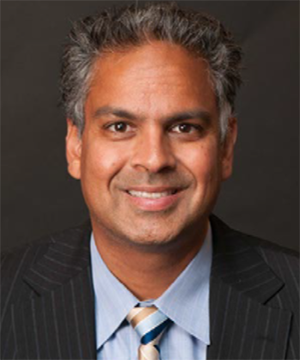
Aman B. Patel, MD
Prof. Aman B. Patel is a neurosurgeon who leads the cerebrovascular surgery and neuroendovascular therapy division at Massachusetts General Hospital (MGH), a major teaching hospital of Harvard Medical School.
After completing his residency and fellowship in neuroendovascular therapy at UCLA, he served as a professor at Mount Sinai in New York before moving to MGH. He currently also serves as Chief Medical Officer (CMO) of Magnendo, a start-up developing a magnetically guided endovascular treatment robot.
Prof. Patel transforms challenges identified in clinical practice into new treatments by combining them with the power of engineering and business. In this lecture, he will discuss the research and development framework at Harvard and MGH and the environment that supports INNOVATION.
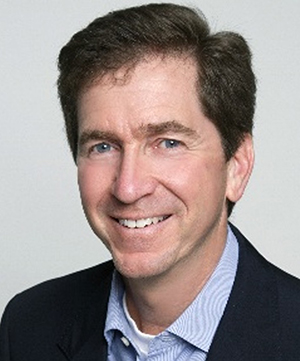
Aaron Berez, MD
Even if his name may not be familiar to you, the medical devices whose development he led are likely to be very familiar. One such device is the Pipeline flow diverter.
With a background in specialized training in neuroendovascular therapy, he co-founded Chestnut Medical and led the development and commercialization of Pipeline. The company was later acquired by ev3, and Pipeline evolved into the Medtronic product available today.
Since then, he has continued to work on the development of various medical devices as an entrepreneur and investor, making use of the perspective he cultivated as a physician.
In this lecture, he will discuss how ideas born in clinical practice can be developed into products and turned into businesses that deliver them to patients, as well as the difficulties encountered in that process and the approaches used to overcome them.
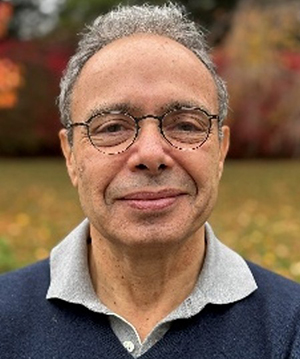
Y. Pierre Gobin, MD
Prof. Y. Pierre Gobin is a French physician who was a senior colleague of President Murayama during his time at UCLA. He is currently a professor at Weill Cornell Medicine and is engaged in neuroendovascular therapy.
After gaining experience at Lariboisière Hospital in Paris, he moved to the United States. At UCLA, he was involved in the development of the Merci Retriever and, through Concentric Medical, helped bring mechanical thrombectomy, a new treatment, into clinical practice.
He later moved to Weill Cornell, where he has continued to develop medical devices and launch start-ups. In recent years, he has focused on venous sinus stenosis associated with idiopathic intracranial hypertension and pulsatile tinnitus and has also been working on the development of stents for the venous sinuses.
Prof. Gobin has turned the question he encounters in daily clinical practice — “Can we provide a better treatment?” — into concrete medical devices.
His journey offers valuable insights that may lead to the next INNOVATION.
